Choosing a base is a balance between atmosphere, budget, noise and how you want to move around. Amsterdam’s centre is walkable, but different neighbourhoods offer distinctly different days.
Canal Belt and Jordaan
Canal-side streets and the Jordaan put historic scenery close at hand. Expect busy public spaces and check carefully how vehicles can reach your specific address.
Museum Quarter and De Pijp
The southern centre makes museums and cafés easy to combine. De Pijp has a lively local rhythm; the Museum Quarter is close to major cultural institutions and green space.
Amsterdam Noord and the west
These areas can offer a different pace and good local character. Check ferry, tram or metro connections from your accommodation before booking.
Start with how you will move
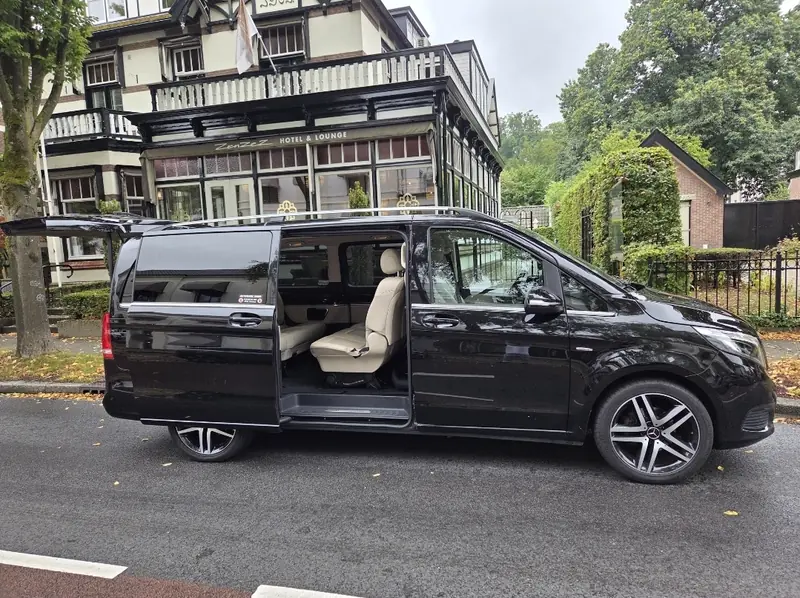
Before comparing neighbourhoods, decide how you will get around. If you plan to arrive by train and walk, stay close to Amsterdam Centraal or inside the canal ring. If you plan to use trams and a bicycle, areas such as De Pijp, the Museum Quarter and Oost work well. If you arrive with heavy luggage, check whether your hotel street can be reached by car, because parts of the old centre have restricted access and narrow quays.
The canal ring and the old centre
The canal ring, with its gabled houses and bridges, is the picture most visitors have in mind. It is atmospheric and walkable, with many restaurants and museums nearby. It is also busy, with bicycles, trams and visitors from morning to late night. Rooms in historic houses are often small, and many buildings have steep stairs and no lift. Ask about stairs before booking if anyone in your group finds them difficult.
De Pijp, the Museum Quarter and Vondelpark
South of the centre, De Pijp is known for its cafes, the Albert Cuyp market and a lively evening scene. The Museum Quarter is calmer, with wide streets, the Rijksmuseum, the Van Gogh Museum and the Concertgebouw close together. Vondelpark offers green space for a slow morning. These areas suit visitors who want a residential feel with good tram links, and they are usually a short ride from the centre.
The Jordaan, Oost and Noord
The Jordaan is a former working-class district with small canals, boutiques and brown cafes, and it is lovely to wander though less convenient for luggage. Oost, around Oosterpark and the Dappermarkt, feels local and has good tram connections. Noord lies across the IJ and is reached by free ferries from behind Centraal, which suits visitors who like creative spaces and a quieter evening. Each area has a different rhythm, so match it to your own.
Noise, safety and practical checks
Ask about noise if you are a light sleeper, since bars, trams and bridges can be audible in the centre. Check how late-night check-in works, whether the hotel stores luggage and how far the nearest tram stop is. Read recent reviews for comments on cleanliness and access rather than only star ratings. Our guide to getting around Amsterdam explains how each area connects to the rest of the city.
Arriving from Schiphol
Tell your hotel which day and time you will arrive and confirm the exact address before travelling. A train from Schiphol reaches several stations, while a private car can take you to the nearest permitted point. Compare the options in Schiphol to Amsterdam: a first-time guide and plan the last stretch in advance.
Hotels, apartments and guesthouses
Hotels offer reception, luggage storage and often breakfast, which helps on arrival day. Apartments give space and a kitchen, though check-in may involve key boxes and instructions that you need before you land. Small guesthouses in canal houses are charming but often have steep stairs. Whichever you choose, read the house rules, because short-term rental rules in Amsterdam are strict and hosts must follow local regulations. Ask the host how check-in works and who to call if something goes wrong.
Seasons and events
Spring brings tulips and King's Day on 27 April, when the city turns orange and hotels fill early. Summer is busy with festivals and long evenings. Autumn offers quieter streets and golden light on the canals, and winter has the Amsterdam Light Festival and Christmas lights. Book early for major events, and expect higher demand on weekends in every season.
Travelling with children or mobility needs
Families often prefer the Museum Quarter or Oud-Zuid, with parks and playgrounds nearby. If anyone has limited mobility, ask for a ground-floor room or a hotel with a lift, and request photos of the entrance. Our guide to Amsterdam with limited mobility lists questions to ask before booking.
What to confirm before you arrive
Send the hotel your arrival time, flight number and a phone number. Ask whether you can leave luggage if you arrive early and where the nearest tram stop is. Save the address and a map offline. If you plan a private transfer, give the driver the exact address so that they can plan the best drop-off, as described in getting from Schiphol to your hotel.
Questions about this guide
Is it better to stay in the centre or outside it?
The centre is convenient but busy and often more expensive in general. Neighbourhoods like De Pijp, Oost and the Museum Quarter offer a calmer base with quick tram links.
How many nights do I need for a first visit?
Two or three nights allow a first look at the main museums and canals. Add a night if you want a day trip.
Are canal houses accessible for wheelchair users?
Many have steep stairs and narrow entrances. Ask the hotel about step-free rooms and routes before you book.
Can a car reach my hotel door?
Not always. Some central streets are restricted, so confirm access and agree a drop-off point with your driver.
Travel information can change. Confirm schedules, opening hours, tickets and access directly with the relevant official provider before setting out.
Plan your own journey
For transfer details, see our transfer options, or explore private tours from Amsterdam. You can also read about destinations around the Netherlands.
I amsterdam neighbourhoods