Amsterdam works best when you choose transport for the distance and the moment. The centre is compact, while outer districts and nearby towns call for a little more planning.
Walk the historic centre
Walking reveals the small details of the canal ring, but allow room on narrow pavements and bridges. The city is busy; stay aware around cycle lanes.
Use public transport thoughtfully
GVB operates city trams, buses, metro and ferries. Check current fares, service information and payment options on the official site before setting out.
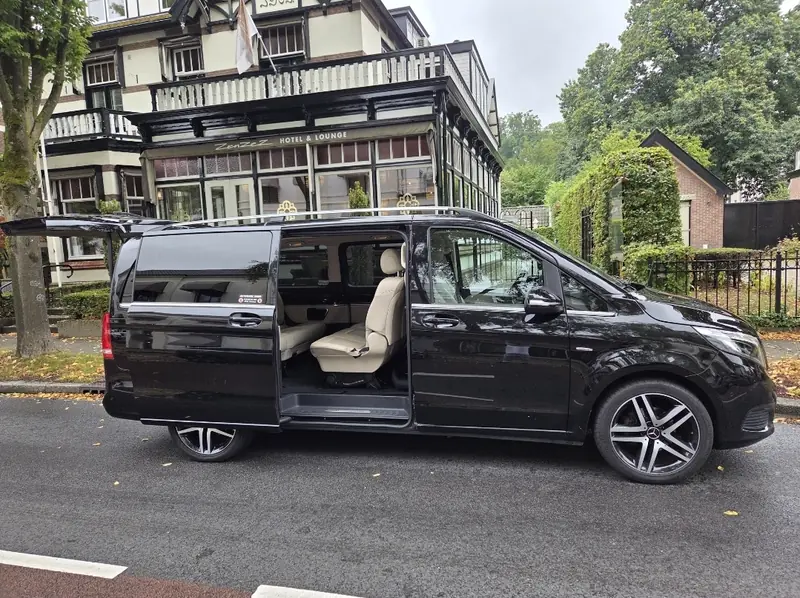
Plan longer or door-to-door trips
For Schiphol, an intercity journey or a private transfer can suit different needs. Compare the end-to-end route and consider luggage, group size and time of day.
Walking first
Amsterdam is compact, and the old centre can be crossed on foot in under an hour. Walking lets you see the details that make the city, from hooks on gables to houseboats. Wear comfortable shoes, because cobbles and uneven paving are common. Watch for bicycles and trams, and always check both directions before crossing a cycle path, since riders move quickly and rarely stop.
Trams, buses, metro and ferries
The public transport network includes trams, buses, metro lines and free ferries across the IJ to Noord. Trams are the most useful for visitors because they link Centraal with the museums, De Pijp and Oost. Check the operator's site or app for routes and fares, and remember to check in and out with a contactless card or a travel card where required. Rules and payment methods can change, so confirm them on the day.
Cycling with care
Renting a bicycle is a classic way to see Amsterdam, but it asks for confidence. Cycle lanes are busy, signals matter and tram tracks can catch a wheel. Lock your bicycle with two locks, and never leave it on a bridge or against a restricted railing. If you are not a regular cyclist, stay on quieter routes in parks or walk instead.
Trains for the wider region
Trains from Centraal and other stations serve Haarlem, Utrecht, Leiden and Rotterdam, and most are frequent. For a destination without good rail links, or for a group with luggage, a private car can be easier. See Utrecht by day trip and Rotterdam by day trip for examples of what each journey involves.
Taxis and private transfers
Taxis are useful at night, with luggage or when a route has no direct tram. Central streets can be restricted, so the driver may drop you at the nearest permitted spot. For airport journeys, you can pre-book a private transfer, with a fare that includes 9% VAT, and pay in the car or online. Read our airport transfer page for details.
Choosing by situation
For a short central stay, walk and use trams. For a longer stay across several districts, add a transport card. For a family with young children, plan fewer, longer moves and use a car for the airport. Whatever you choose, keep a map offline and the address of your accommodation written down.
Tickets and payment
Public transport accepts contactless bank cards and travel cards, and you check in at the start and out at the end of each journey. Missing a check-out can lead to the maximum charge in some systems, so read the instructions on the operator's site. Day tickets and multi-day tickets exist, and whether they pay depends on how often you ride. Keep proof of payment for inspections.
Getting around with luggage
Trams are not designed for large suitcases and are crowded at peak times. If you arrive with heavy bags, a taxi or a pre-booked transfer is less stressful, and your hotel may be able to store bags before check-in. Soft bags with wheels are easier on cobbles than rigid cases.
Night travel
Trams and metros thin out late in the evening, and night buses run on some routes. If you plan a late dinner, check how you will return. A taxi is simple, and walking in the centre at night is generally common, though keep to lit, busy streets and watch your belongings.
Accessibility on the move
Newer trams have low floors, and many stations have lifts, though cobbles, steep bridges and narrow pavements remain challenges. Check the operator's accessibility information, and consider a private car for longer legs. Our guide to Amsterdam with limited mobility has more.
Cost awareness without guessing figures
Fares and day passes change, and any number printed in a guide goes stale quickly, so check the operator's official site for current tariffs before you travel. A useful habit is to count how many journeys you expect each day. If you ride more than a few times, a day ticket may suit you. If you mostly walk, pay as you go with a contactless card and check your balance and receipts afterwards.
Learning the rhythm of the street
Dutch traffic works on clear conventions. Cyclists ride in the red lanes, pedestrians keep to the pavement and trams have priority over almost everything. Stand behind the line at tram stops, let passengers off first and step aside after you tap in. Locals notice when visitors follow the rhythm, and it makes everyone safer.
Questions about this guide
Do I need a car in Amsterdam?
No, for the city itself. Walking, trams and trains cover most visits. A car helps with airport journeys and day trips.
Are the ferries to Noord really free?
Pedestrian and bicycle ferries from behind Centraal have been free of charge. Check the operator for current arrangements.
Is cycling safe for visitors?
It can be, if you are confident. Follow signals, avoid tram tracks at a shallow angle and use lights after dark.
What is the easiest way from Schiphol to the centre?
The train is quick to several stations. A private car suits luggage, children or a late arrival.
Travel information can change. Confirm schedules, opening hours, tickets and access directly with the relevant official provider before setting out.
Plan your own journey
For transfer details, see our transfer options, or explore private tours from Amsterdam. You can also read about destinations around the Netherlands.
GVB official travel information